For a cleaner, more prosperous world, ACC mobilizes conservatives around environmental issues, fostering collaboration in the pursuit of environmental conservation.
Too often, we mistake effort for results.
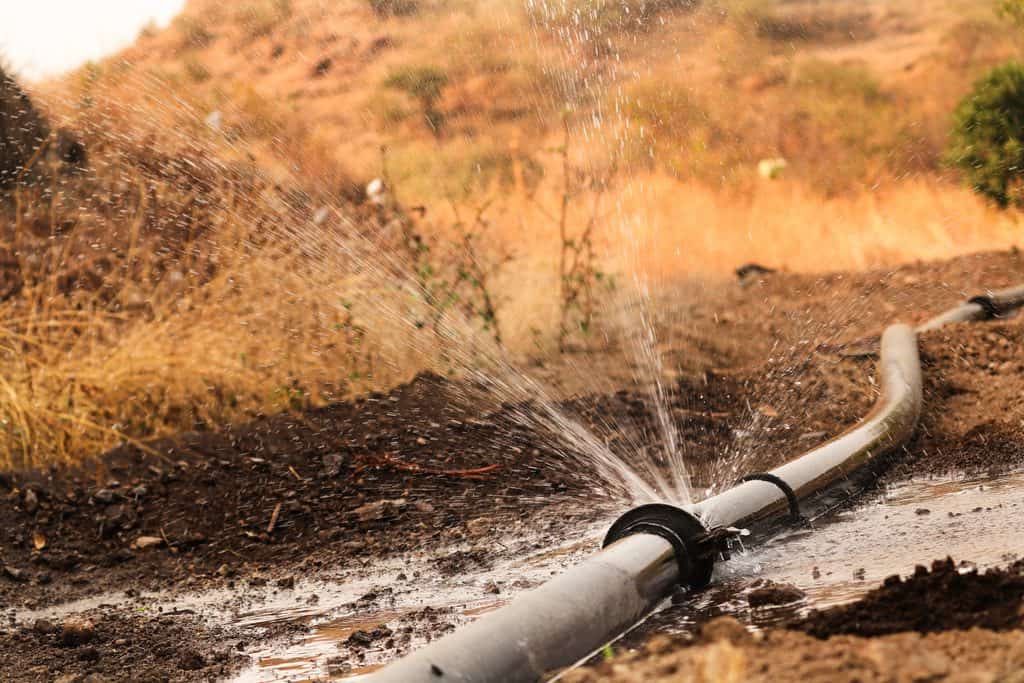
Last week, we discussed Western water conservation and the missing piece in how the federal government funds it. Programs like EQUP and WaterSMART pour billions of dollars into efficiency upgrades every year which means farmers use less water per acre, and on paper that pencils out as success. Efficiency alone does not guarantee that the water saved arrives anywhere useful, however. It could be absorbed right back into the farmer’s own irrigated acreage or never leave the farm’s own accounting for all, for instance. The basin downstream that desperately needs to be rejuvenated, all too often sees none of it.
In short, the saving occurs but never really arrives.

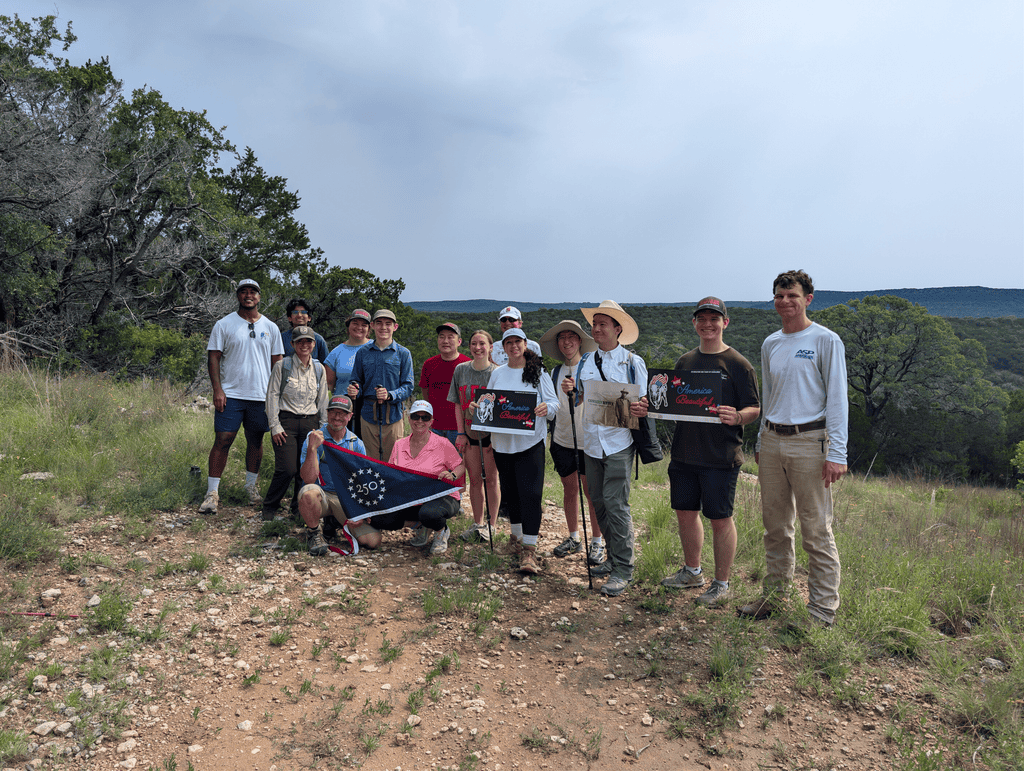
We discussed a similar idea at the beginning of the month, although it would be difficult to identify it on the surface. It was the end of ACC’s All American Summer events and the culmination of our first year with our Hub program. So often, agencies and coalitions will hold events and point to their membership numbers, but neglect the importance of those who return. The Hubs allow young professionals to continue to engage with ACC when they might have otherwise have drifted out of the movement upon graduation. It is far too easy to get swept up in life in that first autumn following college when all your connections are no longer created for you in the form of classes and clubs. The Hub program hosts events, yes, but ultimately seeks to help our young professionals build a network as they start their careers.
Both these instances investigate the distance between producing something and delivering it. A water conservation program can generate savings but is not the same as water reaching an aquifer. Likewise, a summer of events, cleanups, and trail hikes generates connections, but connections made in summer are not the same as an enduring network that survives the calendar flipping to September. In both cases, the thing that gets measured and celebrated is the input but the thing that actually matters is whether that input is designed to endure.
It is all too easy to mistake activity for outcome, especially in policy work and especially in community building, where activity is so visible but outcomes are so difficult to measure. Non-profits and other agencies that work towards intangible progress are notoriously bad at this. Funding for efficient irrigation is easy to approve and easy to defend but proving that saved water reached a river forty miles downstream months later is much more difficult. Likewise, a summer full of events is easy to photograph and report on but proving a recent graduate still has three people to call eighteen months later when they are weighing a job offer or figuring out how to get involved in local politics is difficult.
The fix, in both cases, seeks to answer the same question: did we save something and direct it where it needed to go? For water, that means restructuring funding so farmers who commit a portion of their savings to basin flow or aquifer recharge get priority, letting the incentives follow the water. For community, it means building programs like the Hub that are explicitly designed to outlast the events they host while pairing substantive policy work with real experiences.
In neither case is the fix complicated, but does require one to ask the question “once the effort has been made, do the results appear where they need to?” Any program can point to activity, to events and efforts. Not every program can then follow up and say “See? This is where it all led.”
ACC can, however.
As ACC keeps building upon its already strong policy agenda and its community infrastructure, the more useful measure of our success may not be what we hosted or advocated for, but what was still standing, or flowing, a year later.


Ryan Anderson is the Stakeholder Communications Manager at the American Conservation Coalition.