
For a cleaner, more prosperous world, ACC mobilizes conservatives around environmental issues, fostering collaboration in the pursuit of environmental conservation.
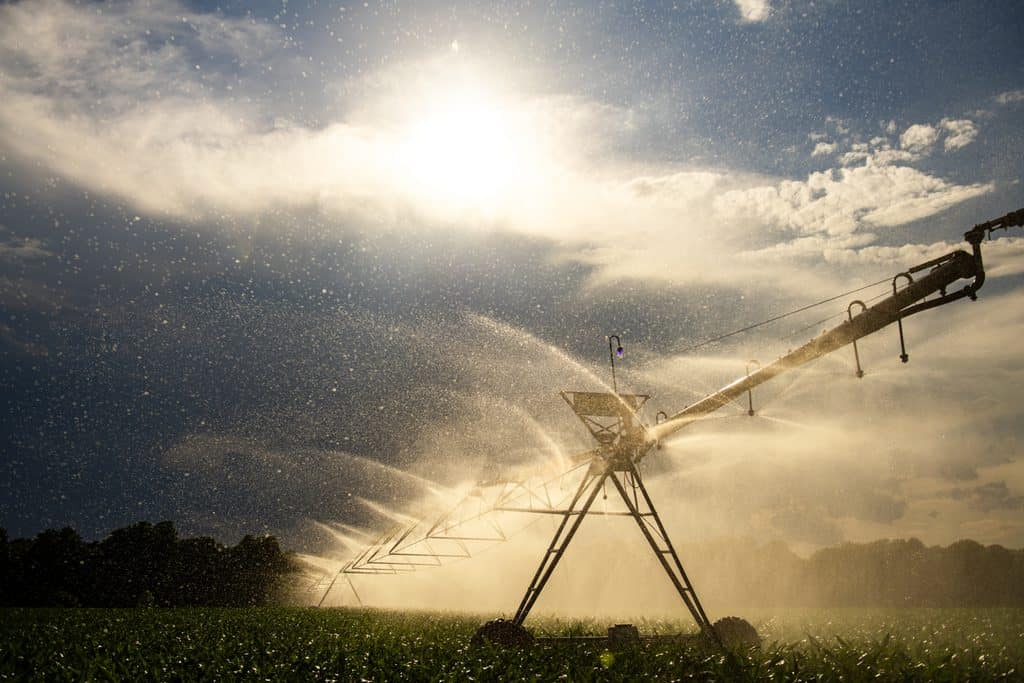
The season for summer road trips has passed and, if you drove anywhere in the American West this past July, you likely saw some small marvel of engineering that makes life there possible. Perhaps it was a center pivot moving slowly across a field, a canal that carries snow melt miles from where it fell to an alfalfa field, or even just a simple irrigation ditch cut into the land generations ago.
Farmers have always found ways to stretch their water further across the West, and federal conservation programs offer billions of dollars for the improvements that allow them to do so. Those investments can improve irrigation efficiency and help farms and ranches adapt to increasingly scarce water supplies.
Connecting more of that funding to measurable water savings would help ensure those investments also leave more water in Western basins.
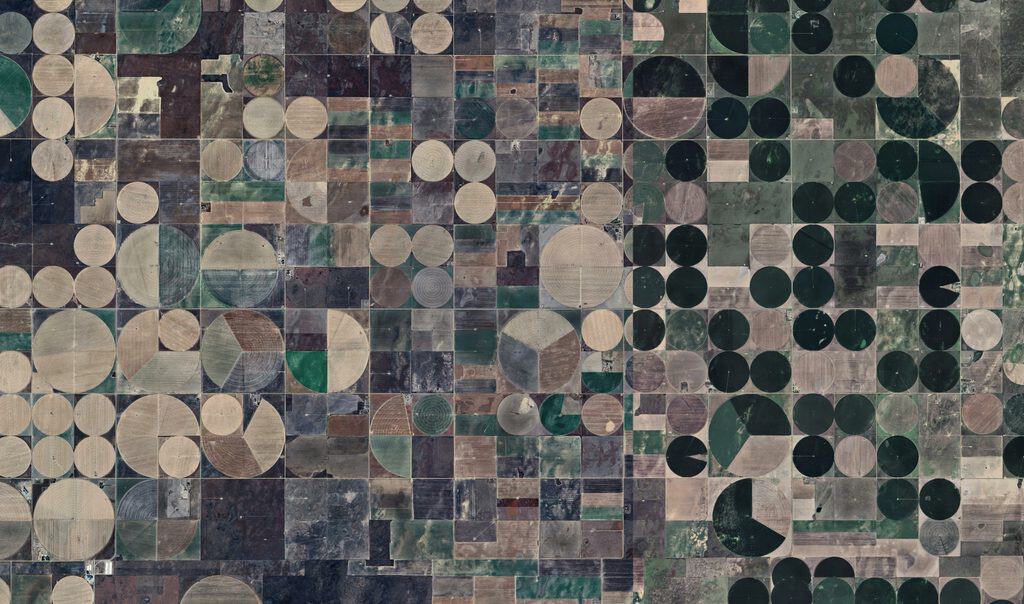
An irrigation upgrade can reduce the amount of water required to grow a crop. The resulting savings can support additional production elsewhere on the farm. Changes in seepage and runoff can also alter the amount of water that eventually returns to nearby streams and aquifers. The relationship between efficiency at the field level and water availability across an entire basin depends on what happens to the saved water afterward.
Agriculture accounts for roughly 80 percent of water consumption across the West. Those farms and ranches also produce much of the food, fiber, and fuel that sustain communities across the country. Like it or not, every serious water strategy runs through the producers managing those acres and the water in them.
The good news is that the federal government already has a structure for working with farmers. USDA’s Western Water and Working Lands Framework organizes conservation priorities across 17 Western states. From 2023 through 2025, approximately $2 billion per year in USDA conservation spending across several programs aligned with the Framework’s water related challenges and strategies.
Through programs like EQIP and EQIP WaterSMART, USDA already helps producers invest in efficient irrigation and water infrastructure.
Under such an approach, a farmer seeking assistance for a qualifying water-saving project could voluntarily commit a portion of the resulting savings to downstream flow or groundwater recharge. Applications could be ranked partly according to the amount of water the producer commits to conserve. Then, a farmer making a larger verified contribution to basin water security would receive greater priority for those federal conservation dollars.
Participating farmers could establish a baseline using available data. If states recognize conservation as a beneficial use, underlying water rights could remain protected, allowing producers to conserve water without jeopardizing the long-term security of their operations.
Starting with a defined pool of funding also gives USDA room to learn. State Conservationists could test the ranking system across different crops, watersheds, and irrigation practices. Then, USDA and the Bureau of Reclamation could compare results across participating states and determine which practices produced the greatest water savings.
Western agriculture has always depended on stretching scarce water further, from hand-cut ditches and canals to pumps and center pivots. The next generation of those investments should help producers grow more efficiently while returning measurable water to the basins their farms depend on.
If federal dollars are going to support water efficiency, they should also help deliver more water back to the basin.


Ryan Anderson is the Stakeholder Communications Manager at the American Conservation Coalition.