For a cleaner, more prosperous world, ACC mobilizes conservatives around environmental issues, fostering collaboration in the pursuit of environmental conservation.
September has a way of making you take stock of things, of causing you to pause to look back on the summer, the year, and reflect on whether or not you made good use of the time you were given. We are nearing the end of the All American Summer at ACC, a summer spent encouraging our members to get outside, gather with friends, and use classic American experiences to remember why a conservation ethic rooted in a sense of place is critical. Coincidentally, we’re also approaching our Hub program’s first anniversary.
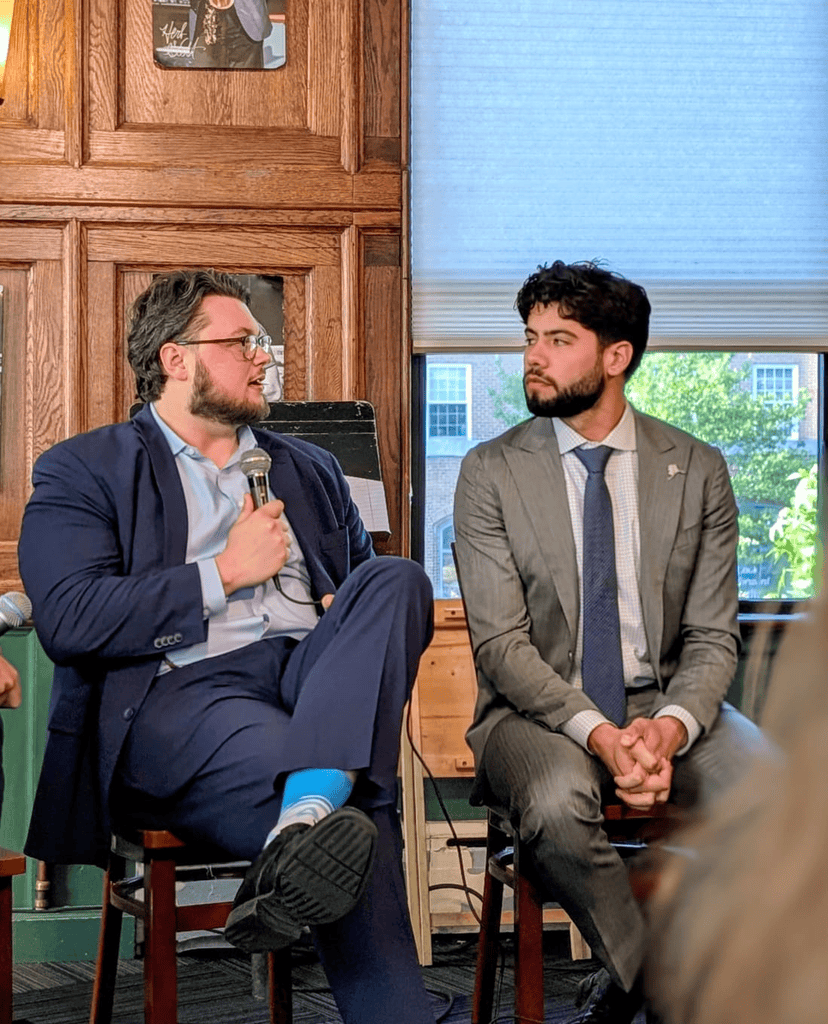
With summer coming to an end, students from all across the country are entering their first autumn after graduating college and may be facing a difficult truth: in school, so many of our connections are planned, provided, or otherwise created for us. Between clubs, classes, and various student organizations, it becomes difficult not to make connections.
Then the structure and schedules of academia melt away in the heat of that first summer following graduation, and the hard work of connecting to people outside of school who share your interests, your convictions, sets in.
That work has been taken especially seriously in our ACC Hubs.
The ACC Hub Program uses networking and professional development to cultivate the next generation of young professionals in the energy and environment policy and industry spaces. Hubs are placed in cities with a high concentration of young professionals and a high impact for market-based policy reform. When we bring young conservative professionals together, they are able to make those crucial professional connections, those friendships, and the effort they’re able to bring to conservation grows exponentially.

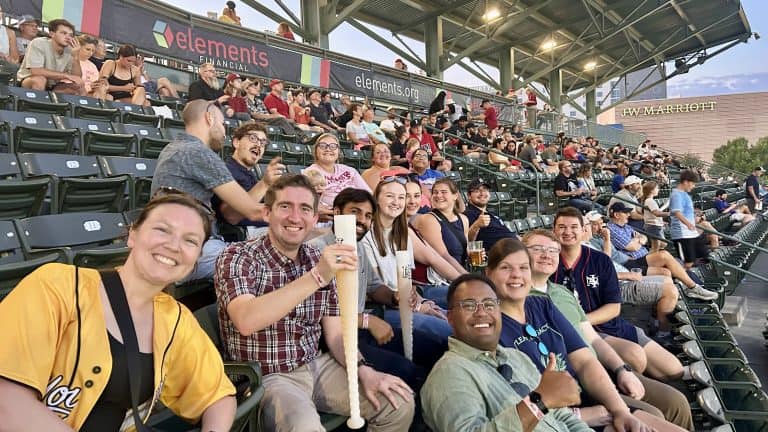
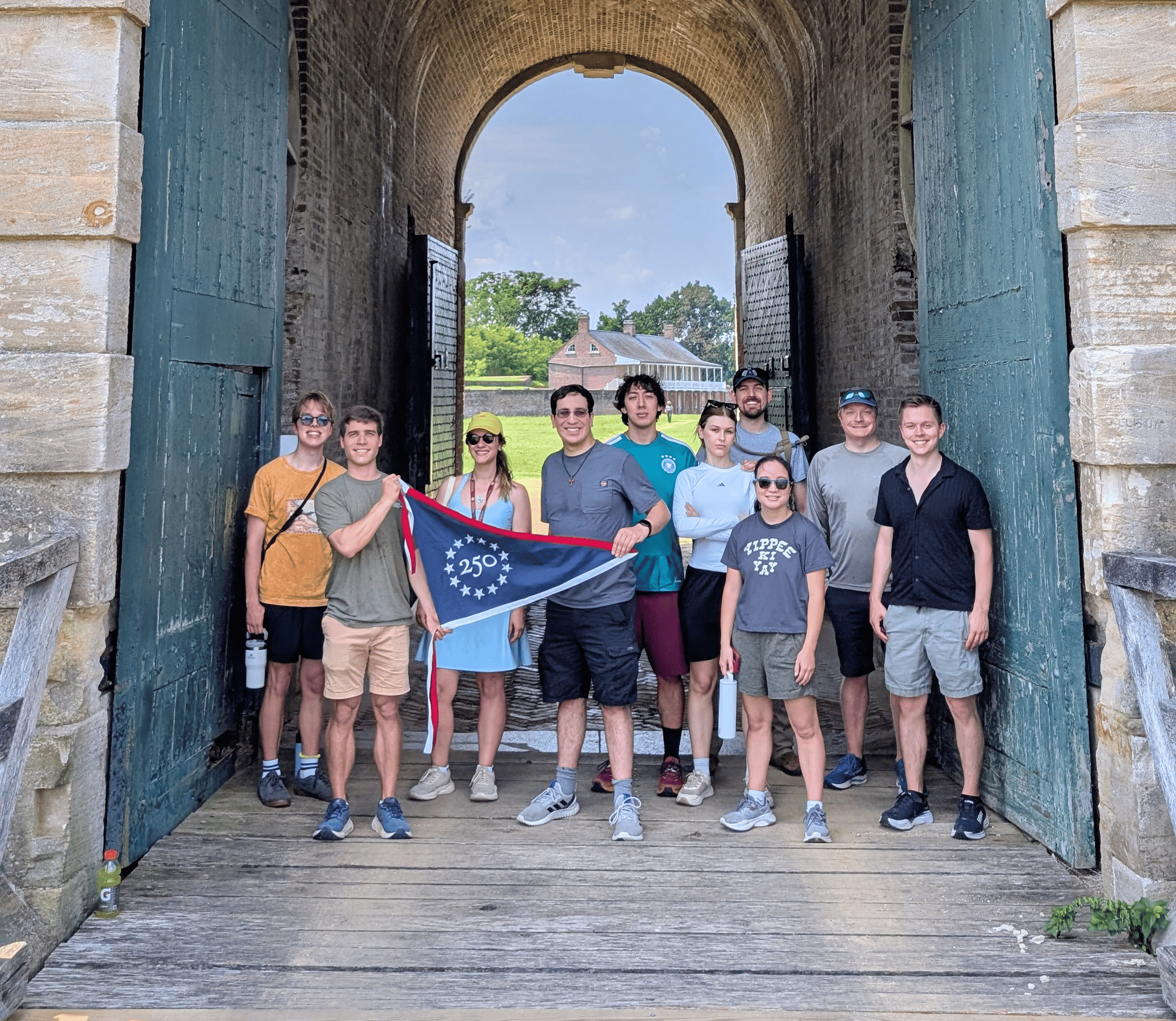
Over the past year, that effort has taken many forms while the pattern of the effort revealed itself. Orlando opened 2026 with a hike at Lake Louisa, followed in the months ahead by a beach bonfire, Pilates in the park, and an Earth Week event with the WASH Foundation. Austin members gathered with Rainmaker in January, hiked and swam at Barton Springs in February, and came together for Nuclear Texas in March before heading to the Balcones Canyonlands and, later in the summer, playing pickleball and learning outdoor survival skills. Around Washington, D.C., members mixed policy conversations on the PATRIOT Parks Act, geothermal energy, and agriculture with a Natural History Museum scavenger hunt, a litter cleanup, hikes at Billy Goat Trail and Old Rag, kayaking, trivia, and the summer Olympics.
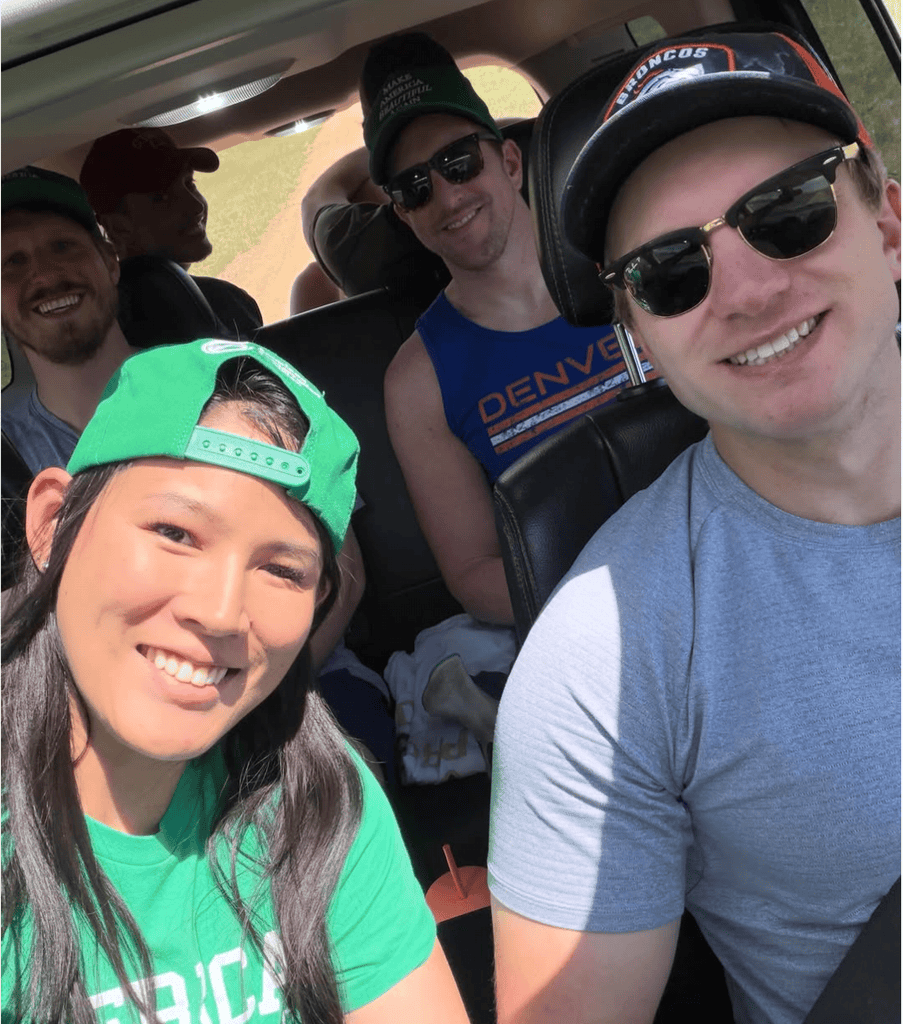
As new Hubs came online, this pattern spread across the country, and there are countless more events, connections, and important moments not described here. To be clear, these have not just been merely networking events; there is a good deal of conservation work contained in the last eleven months since the Hub program’s inception.
But there is also a great deal of life being lived together.
Members have picked up litter and planted trees, certainly, but they have also watched baseball games, gone swimming, shared meals, and spent long summer afternoons on the water. Those personal experiences make the professional network more durable. The people inside it come to know one another somewhere beyond the classroom or conference room or LinkedIn. In short, they touch grass together and that matters more than we give it credit for.
Nearly a year after the first Hub gatherings, the program has truly established itself as a good engine where young professionals find the people who share their convictions and then build real, enduring friendships.
Our work, and our world, is all the better off for it.
Ryan Anderson is the Stakeholder Communications Manager at the American Conservation Coalition.