For a cleaner, more prosperous world, ACC mobilizes conservatives around environmental issues, fostering collaboration in the pursuit of environmental conservation.
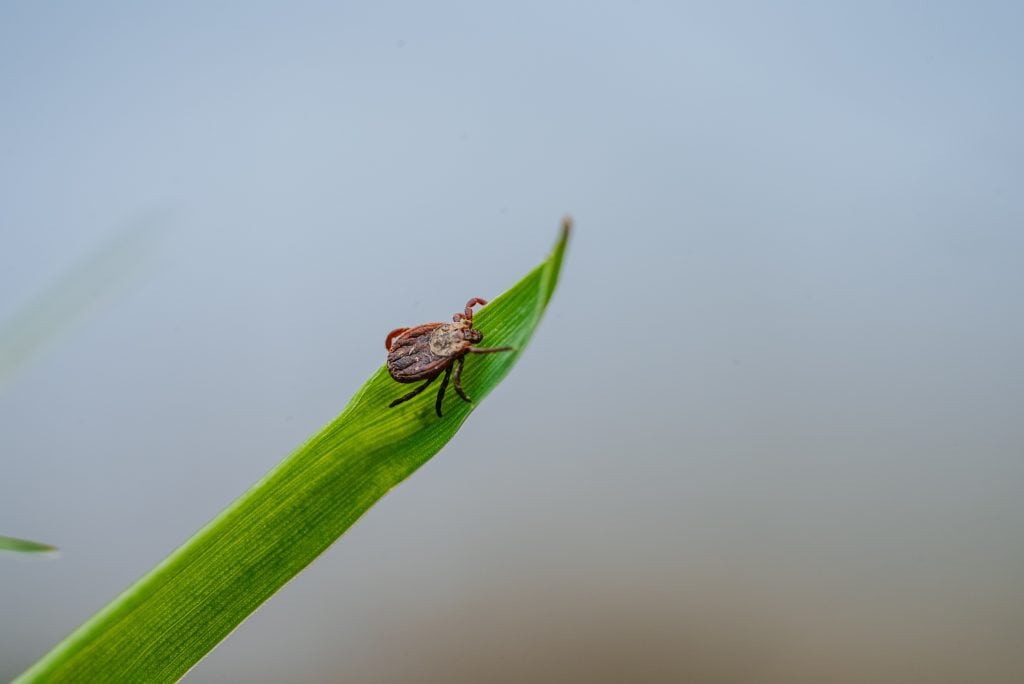
It is the time of year when you have no shortage of photographs of the great outdoors to post to social media: your hike with a panoramic vista, lawn chairs around a bonfire, the tall grass swaying along the dunes at the beach. Inevitably, beyond the compliments, likes, and reposts, you will receive a comment that looks something like “Nice, but what about the ticks?” Likewise, visit a national park or public body of water and note how quickly you are met with a notice or remark about the fragility of the ecosystem or the receding shoreline.
It begins to become abundantly clear: we are a nation plagued by anxiety.
Indeed, some of this anxiety is warranted. We live in a wounded age of constant information that is nearly never benevolent. Every natural challenge arrives immediately in your pocket, accompanied by satellite imagery, heat maps, an alarming headline, and a chorus of strangers eager to tell you how doomed and worried you should feel. The reality is, we know more about environmental problems than any generation before us, and although it is good to be informed, it is possible to be so aware of the problems around us that we begin to believe that awareness itself is action. This is a mistake.
It is easy for a conservationist to fall into this trap. We spend so much time talking about what is wrong that we sometimes forget what can actually be done. This results in little more than a culture of spectatorship, with people learning to consume environmental and conservation news in the same way they consume sports headlines and stock market updates. They can watch, they can react, they can worry, but then they all-too-often move on to the next thing.
Anxiety ultimately becomes the substitute for stewardship.
This can easily be overcome however, when something very simple happens. Somebody decided to do something. Perhaps a handful of neighbors create pollinator habitat, or maybe volunteers restore a stream bank. Anglers can get together and fund a better fish passage, and hunters can improve winter browse for the deer. Whatever the case may be, the pattern remains consistent: progress always begins when people make the move from concern to participation.

This month a group of ACC members gathered around a table making what are known as tick tubes: cardboard toilet paper rolls stuffed with permethrin-coated cotton balls to hand out at farmer’s markets so people can put them where mice congregate and breed. On the outset, this does not seem like the sort of effort that could have a meaningful impact on a growing public health concern. However, something profound happened here: volunteers took back an element of control. Every summer seems to bring a fresh round of warnings and alarming statistics about Lyme disease and alpha-gal syndrome. The reflex we so often see to this is fear and to feel as though something is happening to us, that we are merely living through conditions beyond our control. The significance of this project is not really the tubes stuffed with cotton and tick-killing chemicals. The significance of this project was that a room full of young people chose agency over resignation.
This lesson applies regardless of scale; it spans mere acres or across entire watersheds.
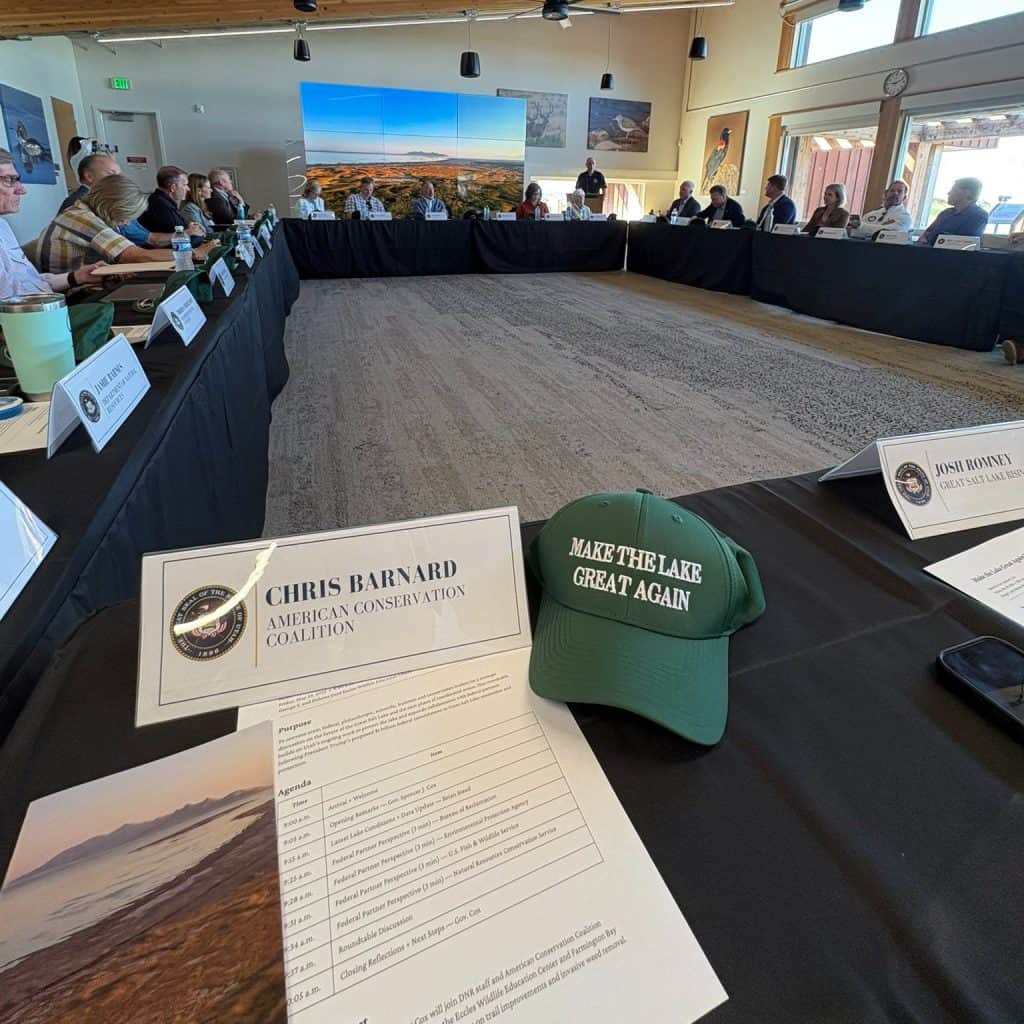
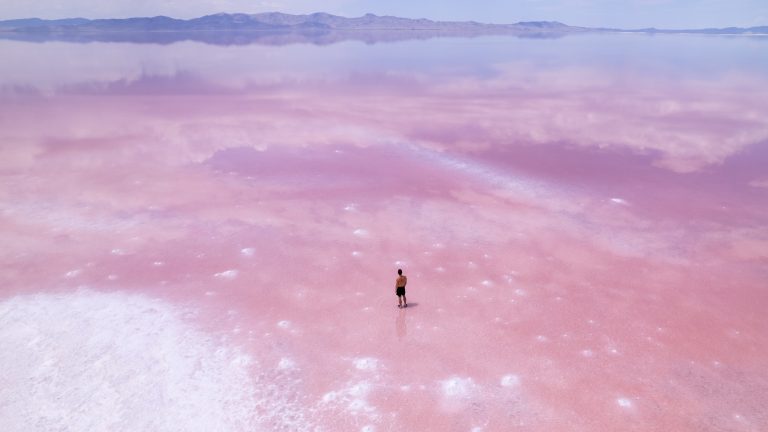
Recently, ACC joined policymakers, conservation leaders, and stakeholders in Utah to discuss the future of the Great Salt Lake. Few conservation challenges inspire more anxiety as Americans have watched the shoreline recede and read of toxic dust, declining bird habitat, and economic disruption. Helplessness had no seat at the roundtable discussion however. Instead, leaders discussed voluntary weather markets, agricultural efficiency, infrastructure upgrades, and conservation incentives. All these elements had one thing in common: they all asked, “What can we actually do?”
That question is the dividing line between anxiety and agency.
The volunteers assembling tick tubes and the leaders discussing the future of the Great Salt Lake seem worlds apart at first blush. One project takes place around a folding table while the other takes place around a conference table. The scale is indeed different but the principle is the same: people are choosing participation, they are choosing action.
Conservation has never been advanced by anxiety. Maybe concern can help identify a problem and remind us what is at stake, but eventually someone has to step forward and just do the work. The future will not be shaped by people who are the most worried. It will however be shaped by the people willing to move beyond nervous awareness and become participants in the outcome, to become “the man in the arena”.

Ryan Anderson is the Stakeholder Communications Manager at the American Conservation Coalition.