For a cleaner, more prosperous world, ACC mobilizes conservatives around environmental issues, fostering collaboration in the pursuit of environmental conservation.
A conservation movement matures, truly comes into its own, when it learns to carry its work into every room where the future of a place is decided. Shorelines cleaned and trees planted matter deeply, but eventually someone must walk into the capitol itself prepared to defend and advocate for the policies that protect those places over the long term. That is part of what ACC members have continued building this year through a growing series of Advocacy Days across the country that brought young conservatives directly into conversations about water, energy, land management, and environmental stewardship.
These efforts have expanded rapidly. Earlier this spring, ACC mobilized 1,100 volunteers across 50 Earth Week events, the largest coordinated grassroots effort in our history. That same momentum is now carrying into statehouses as members step beyond restoration projects and community cleanups and into legislative chambers, committee rooms, and lawmakers’ offices. The work of conservation is no longer confined to one arena but rather is moving between the field and the capitol all at once.
The most recent efforts in North Carolina and Colorado made that especially clear.

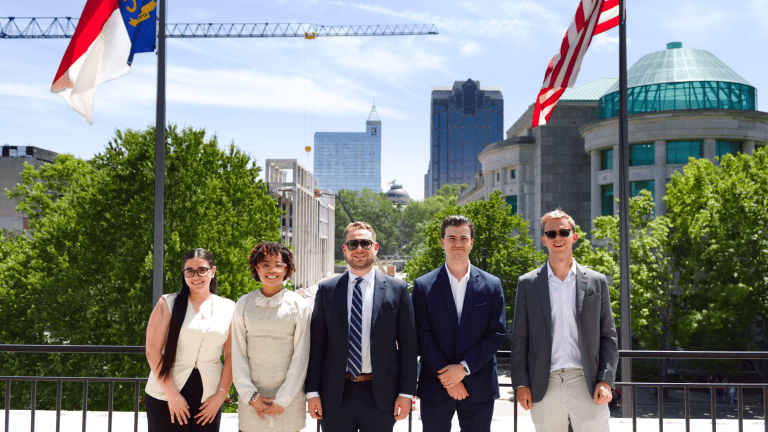
In North Carolina, ACC members held 25 meetings with state representatives and senators centered on one of the state’s most immediate environmental challenges: runoff. Across North Carolina, runoff from development, roads, and disturbed land continues to place growing strain on rivers, estuaries, fisheries, and downstream communities. Members spent the day discussing practical policy ideas aimed at reducing runoff while balancing growth, infrastructure, and long-term stewardship. The conversations remained grounded and solutions-oriented throughout the day, with legislators responding positively to ACC’s mission and the issues being raised. This matters and matters profoundly; runoff shapes the health of waterways, the resilience of communities during storms, and the long-term condition of some of the state’s most important ecosystems. ACC members entered those meetings informed, prepared, and ready to speak seriously about conservation in a way that connected directly to the realities facing North Carolina communities.
In Colorado, ACC members carried a broader introduction to ACC’s environmental approach directly into the State Capitol on Earth Day itself. The group held 14 meetings with representatives and senators while building relationships and introducing lawmakers to ACC’s philosophy of conservation rooted in stewardship, innovation, and responsible development. State Representative Lori Garcia Sander formally hosted the group and recognized ACC Day during the morning House session, giving members the opportunity to spend more than an hour on the House floor speaking directly with legislators as they moved through the chamber. Representatives stopped to ask questions, learn more about ACC, and engage directly with members about conservation issues facing the state. The day continued into the Senate chamber, where Senator Barb Kirkmeyer welcomed the group onto the Senate floor and Senator Scott Bright took time to meet with members as well. Throughout the afternoon, legislators, aides, and staff moved through lunch meetings and office conversations as ACC members continued introducing the organization’s approach to environmental policy and long-term stewardship. For many attendees, it was their first time participating in the legislative process at this level, stepping into the rooms where decisions about land, water, wildlife, and energy systems are ultimately shaped.
That broader engagement is becoming increasingly important because lawmakers are beginning to recognize that younger conservatives want a more active role in environmental conversations and not just cede this important ground to the left. Many of the legislators ACC members met with specifically raised questions about water policy, forest management, wildlife, energy development, and data centers. They wanted to know where ACC stood and how younger generations were thinking about these issues. The appetite for serious environmental engagement is clearly growing.
These recent advocacy days also built on earlier efforts already underway this year. In Utah, members discussed water conservation and the future of the Great Salt Lake alongside broader conversations about energy and environmental stewardship. In Florida, ACC members held 20 meetings focused heavily on nuclear energy and its role in supporting Florida’s growing energy demands while maintaining grid reliability and lowering emissions. In South Carolina, members met with 18 state senators, including Senate leadership, to introduce lawmakers to ACC’s broader mission and begin building long-term relationships around conservation and energy policy.

The underlying pattern between all these states remained remarkably consistent: ACC members showed up prepared, optimistic, solutions-oriented, and ready to engage seriously with the work of conservation.
Environmental conversations in America too often collapse into stale partisan reflexes and abstract ideological fights detached from daily life but ACC’s approach continues pushing in the opposite direction by grounding conservation in stewardship, local knowledge, economic realism, and direct experience with the land itself. Many of the same members sitting in legislative offices discussing runoff, energy reliability, and water policy had spent the previous week cleaning shorelines, removing invasive species, planting trees, or restoring public land during Earth Week. The connection between grassroots stewardship and policy engagement is becoming clearer with every passing month.
The work ahead will require both.
Healthy rivers and forests require people willing to care for them directly but long-term conservation also requires people willing to engage with the policies that shape those systems over decades. ACC’s Advocacy Days are helping build that bridge, bringing a rising generation of conservatives into environmental conversations with seriousness, confidence, and a sense of responsibility rooted in the places they know best.

Ryan Anderson is the Stakeholder Communications Manager at the American Conservation Coalition.