
For a cleaner, more prosperous world, ACC mobilizes conservatives around environmental issues, fostering collaboration in the pursuit of environmental conservation.
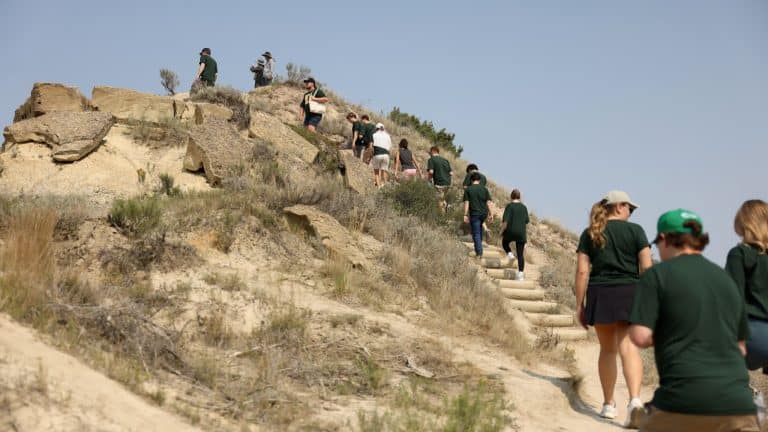
We went to the Badlands this month to show fifty of our top grassroots members the land that formed President Theodore Roosevelt’s conservation ethic. On the first night at the newly opened Presidential Library, we received our members in the iconic breezeway that frames the view Roosevelt had when stepping off the train in Medora. There was small talk, of course, our staff asking what the branch leaders needed, what they were proud of, and what they were looking forward to. A common theme among the leaders was a sort of embarrassment or reticence to talk about some of their more social events, things like barbecues and hikes, outings and meetups. They’d much rather discuss a cleanup, some kind of policy work at their statehouse, or another event where hard, tangible work was done. This is understandable, and fair.
However, something clicked as we looked out over those badlands, sharing the very view Roosevelt had when he returned a grieving and brokenhearted man seeking solace in those isolated, “fantastically ruined” hills. The isolation, the challenge, the stark beauty of that place ignited his conservation ethic; without that place, Roosevelt would not have become the Conservation President we recognize today.
The truth is, he did not get off the train in Medora and choose stewardship. He first became attached to the place.

That, again and again, becomes increasingly clear and important as we think about what it means to be a conservationist today, about how to foster that in young people, and to grow our movement. When a branch leader tells us reluctantly about a social event with a shrug, we must remind them that they are cultivating an attachment to place for their grassroots members, and all stewardship is downstream from this.

Nobody has ever fallen in love with a watershed because they read its management plan. Nobody has ever written a poem in a forest because of a policy hearing. People decide to protect places because they fall in love with them first. They fall in love with the brook because they fished there with their father. They fall in love with the mountain because it gave them escape from the noise of their life. They fall in love with the national park because it very well may be the first place they could ever actually see the stars. Ultimately, before conservation can ever even begin to dream of being policy, it must first become memory. Affection always precedes stewardship.
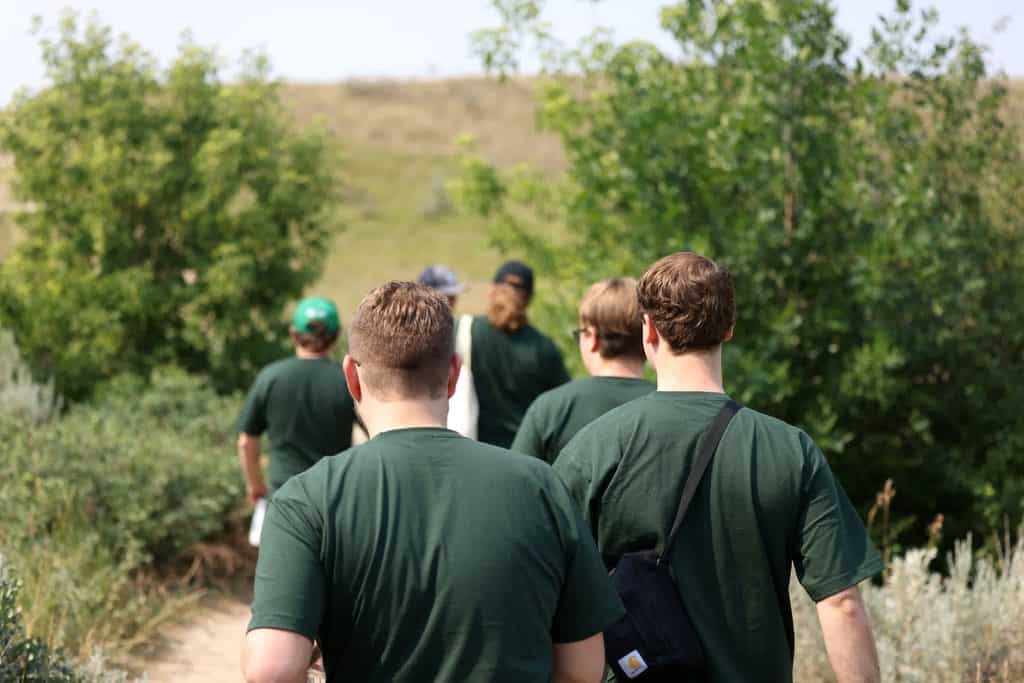
This should inform and affect the way we build the conservative conservation movement. Yes, we rightly celebrate the good tangible victories–the beach cleanups and the tree plantings, the testimonies and the petitions. These are true measurements by which we measure the work advancing. Like Roosevelt, however, the people who do that work need to come from somewhere, and they need to deeply love that somewhere with a passion. The grassroot member returns from the beachside barbecue, the All American Summer event, the hike through a state park and he returns for the cleanup, the policy hearing, the meeting with the state legislator explaining why the river he has come to love deserves attention.
Roosevelt’s conservation ethic was not born in his home in New York. It was born as he picked up the pieces of his shattered life off a train platform in North Dakota and looked up to see a land large enough to hold his grief. Our top fifty grassroots members left his namesake library and returned to their own places, where their own conservation ethic must now be lived out, and where they now have the opportunity to cultivate the same attachment in someone else.
