For a cleaner, more prosperous world, ACC mobilizes conservatives around environmental issues, fostering collaboration in the pursuit of environmental conservation.
August 7, 2026
U.S. Fish and Wildlife Service
Policy and Regulations Branch
5275 Leesburg Pike
Falls Church, VA 22041
Response to Request for Information on Implementation of Drain Tile Setbacks Docket: FWS-R6-ES-2026-2641
The American Conservation Coalition (ACC) appreciates the opportunity to comment on the U.S. Fish and Wildlife Service’s (Service’s) Request for Information regarding the 2024 National Wildlife Refuge System Drain Tile Setbacks Final Rule in the Prairie Pothole Region (PPR). ACC is the largest conservative environmental organization in the country, with more than 125,000 grassroots members nationwide. We are committed to common sense conservation policies that protect America’s natural resources, preserve healthy and biodiverse ecosystems, and support responsible stewardship of our nation’s lands and waters. We write in support of the existing scientific, individualized drain tile setback standards and to oppose any changes that would weaken setback protections for the National Wildlife Refuge System voluntary wetland easements.
The existing 2024 rule appropriately recognizes that the Service’s wetland easements are distinct from USDA Natural Resources Conservation Service Swampbuster provisions and therefore require different standards. The Service’s current approach of developing individualized, science-based drain tile setback plans provides the best means of protecting these voluntary conservation easements while giving landowners regulatory certainty through clear, site-specific guidance and safe harbor protections. Because soil conditions, hydrology, and topography vary significantly across the Prairie Pothole Region, a one-size-fits-all setback standard would be less effective than the current science-based approach.
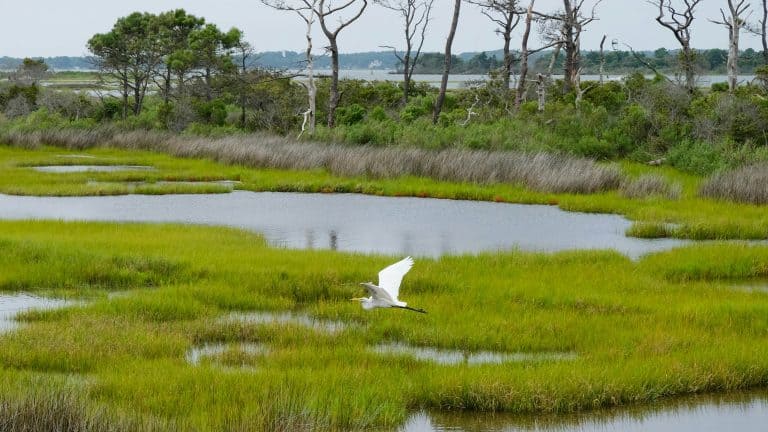
Maintaining the existing rule is also critical to protecting one of North America’s most important wetland ecosystems. The Prairie Pothole Region supports more than half of the continent’s migratory waterfowl, with many species dependent on the potholes for feeding and breeding, yet many wetlands have already been lost or degraded. Weakening the current setback standards could further reduce this vital habitat and diminish the long-term value of decades of voluntary conservation investments made by landowners, hunters, conservation organizations, and taxpayers.
Through programs such as the Pittman-Robertson Wildlife Restoration Act and the Federal Duck Stamp Program, hunters have played a significant role in funding wildlife conservation, including the protection and restoration of waterfowl habitat. Since 1934, Federal Duck Stamp sales have generated more than $1.3 billion to conserve over 6 million acres of wetlands habitat, while Pittman-Robertson funds have provided billions of dollars for wildlife conservation, habitat management, and hunter education. Maintaining the current rule helps ensure that conserved wetlands and other critical habitats remain protected, allowing past and future conservation investments to continue delivering benefits for waterfowl and other wildlife.
Beyond their importance for wildlife, wetlands provide substantial benefits to surrounding communities. They improve water quality by naturally filtering pollutants, reduce flooding by storing stormwater, and recharge groundwater supplies. These benefits strengthen community resilience to natural disasters, support outdoor recreation and local economies, and contribute to cleaner, healthier environments for all Americans.
For these reasons, ACC urges the Service to maintain the existing individualized, science-based approach to drain tile setbacks and to reject any proposal to apply NRCS Swampbuster “minimal effects” standards to wetland easements. The current rule protects a public asset, gives landowners certainty, and safeguards some of the most valuable migratory bird habitats in North America. We appreciate the Service’s efforts to gather input through this RFI and welcome the opportunity to serve as a resource going forward.
Sincerely,
American Conservation Coalition