
For a cleaner, more prosperous world, ACC mobilizes conservatives around environmental issues, fostering collaboration in the pursuit of environmental conservation.
The end of July has a way of demanding an accounting of us and all that we have done. The hay is down in the fields, the wood pile should be high, and the summer that felt endless in the heady days of June is now showing its edges, if only just. It is, ultimately, a season of reckoning of what we have accomplished and what work is yet left to do.

In this season nine years ago, the American Conservation Coalition began the work of creating the conservative environmental movement. We declared conservatives belong in the environmental conversation and the best way to prove it is to show up and do the work. Nine years later, that conviction has not changed, but the scale certainly has.

Take a look at the past year for all the evidence you need. In January, we announced that ACC closed out 2025 with 100,000 grassroots members, nearly double where we stood a year earlier and a full year ahead of the goal we set for ourselves back in 2023. A number that large is all too easy to lose in the abstract, but each one represents a real person out on a college campus or a trail, cleaning a beach or planting a tree, speaking to their senators and in front of our highest offices. As our CEO Danielle Franz put it when the milestone landed, conservative environmental leadership has real momentum nationwide, and our members are the ones carrying it forward in their own communities.

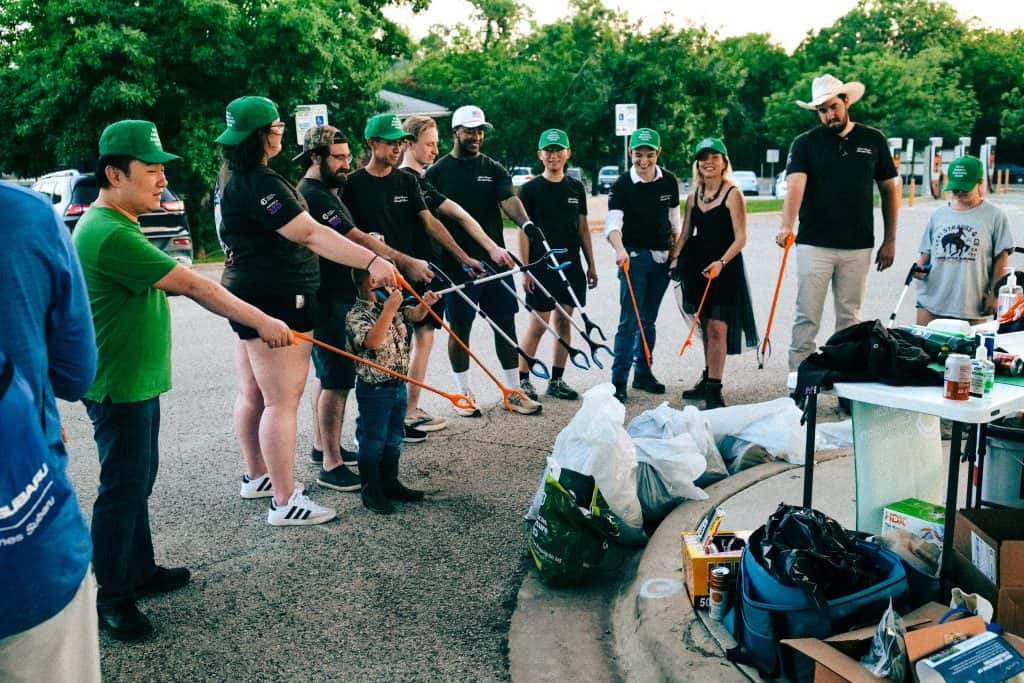
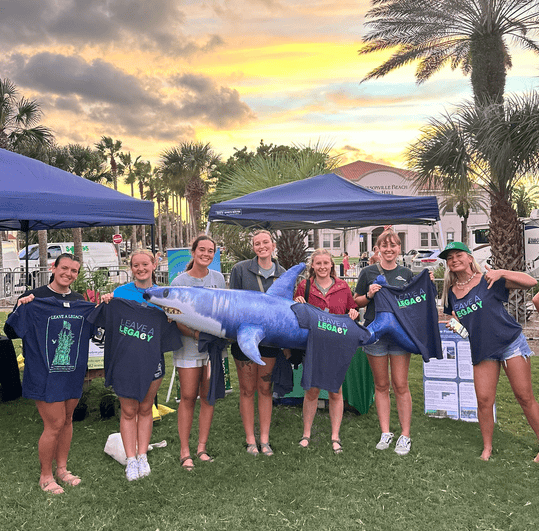
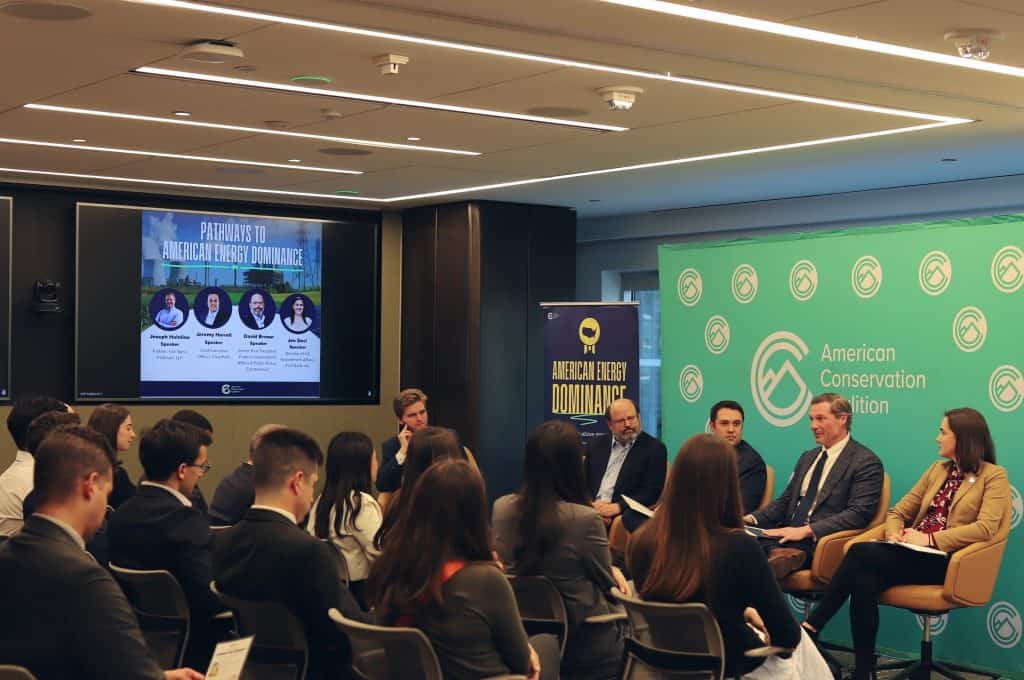
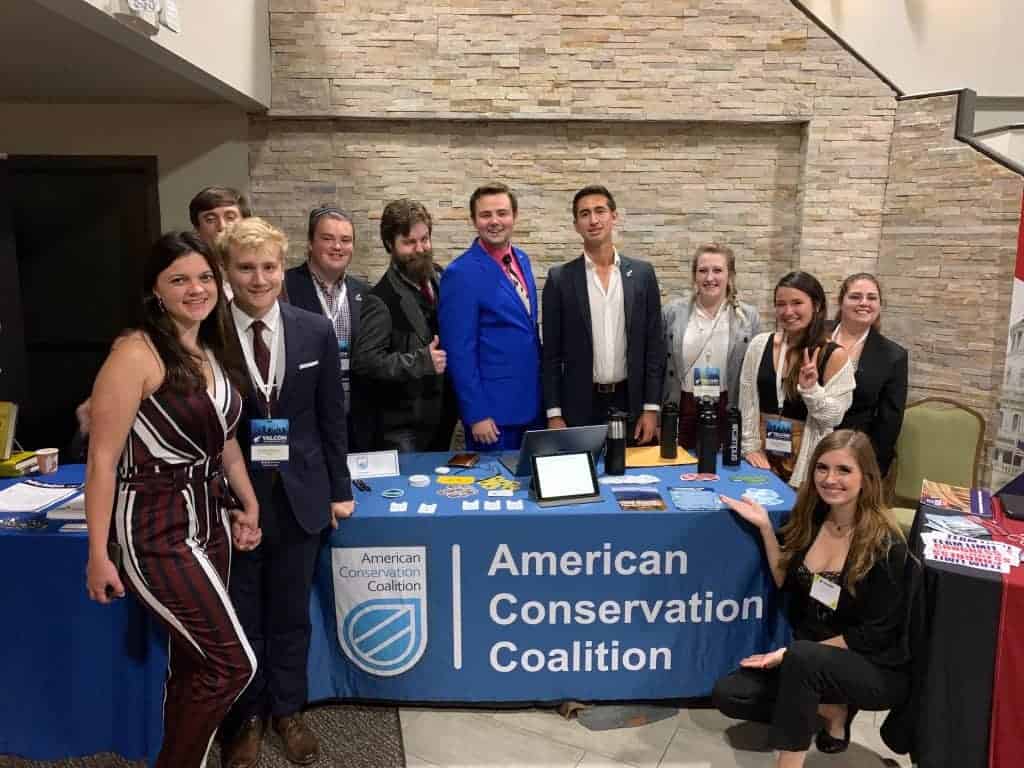
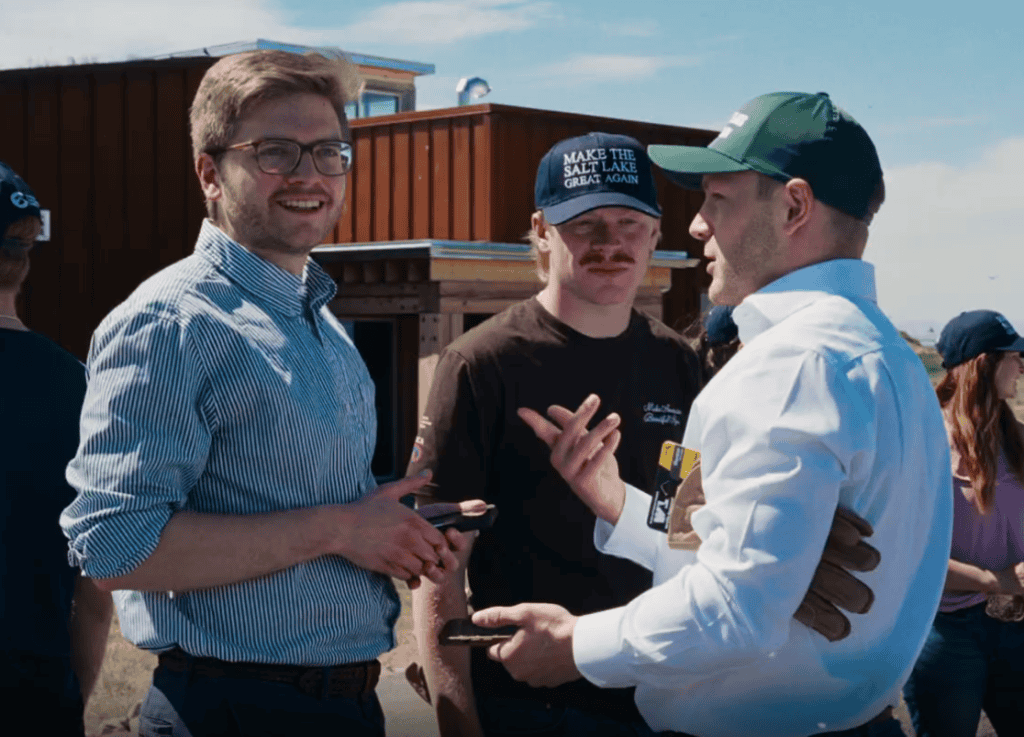
What does that momentum look like in person, on the ground? Well, it looks like nearly 500 grassroots events in a single year, like canoe trips down the Trinity River, launch parties in Nashville, hikes outside Denver, fair booths nationwide, and thousands of bags of trash that would otherwise still be on beaches and in forests. It also looks like the less glamorous work that rarely trends but makes change at the national scale: public comments to the Department of the Interior on permitting reform, coalition letters on park funding, testimony in state hearings, and a seat at the table when the Make America Beautiful Again Commission launched and when Governor Cox made plans to restore the Great Salt Lake. It’s rare to find an organization with hands on both levers of power: grassroots and the policy.
Year nine also gave the movement a new voice when we launched The Bully Pulpit, our Substack publication, this past fall as a place to write about energy, conservation and the future that we are working towards. It just surpassed 2,000 subscribers and offers us a place to make arguments and frame policy while bypassing the noise of social media.
Now the year ahead begins to take shape. In early August, our most engaged members with gather at the Theodore Roosevelt Presidential Library in Medora, North Dakota, for our first Top 50 Summit, an honor earned by the leaders who have given their all to this movement. There is something fitting about marking our ninth year in the Badlands, on the ground that shaped the president whose legacy we work to carry forward.
Nine years in, the work itself has not changed much. We still believe stewardship is a deeply conservative instinct, that working outdoors in your local community makes you a better citizen, and the next generation will decide how America’s conservation story is written. What has changed is how many people are doing the work.





Ryan Anderson is the Stakeholder Communications Manager at the American Conservation Coalition.