For a cleaner, more prosperous world, ACC mobilizes conservatives around environmental issues, fostering collaboration in the pursuit of environmental conservation.
Some conservation efforts take shape in the soil, in the planting of trees, the tending of land, the slow return of native systems. Other efforts unfold at a different scale, where rivers cross state lines, where lakes define entire regions, where decisions made in distant rooms determine what endures and what fades. The Make America Beautiful Again initiative rests on the understanding that stewardship must extend to both. The same responsibility that guides a hand in the dirt must also guide policy that shapes the landscapes and the water on which we depend.

The Great Salt Lake stands as one of the clearest examples of this responsibility. The lake has receded in recent years, exposing vast stretches of lakebed and placing strain on the systems that rely on it. Migratory birds depend on its waters. Communities depend on the air quality it helps regulate. The lake has long been part of the region’s identity and function. ACC staff have taken this challenge seriously, contributing to the broader conversation through recent essays that call for federal engagement grounded in stewardship and long-term thinking. That conversation is now beginning to take shape at the national level. A recent federal budget proposal includes a $1 billion request to restore and protect the Great Salt Lake, with plans to improve water flows, restore ecosystems, and address the growing risks tied to an exposed lakebed. The argument is simple: national resources require national attention. Conservation policy must reflect the scale of the systems it seeks to protect. The lake cannot be treated as a distant or isolated concern. It demands coordinated action that respects both the ecological reality on the ground and the responsibility carried at the federal level.

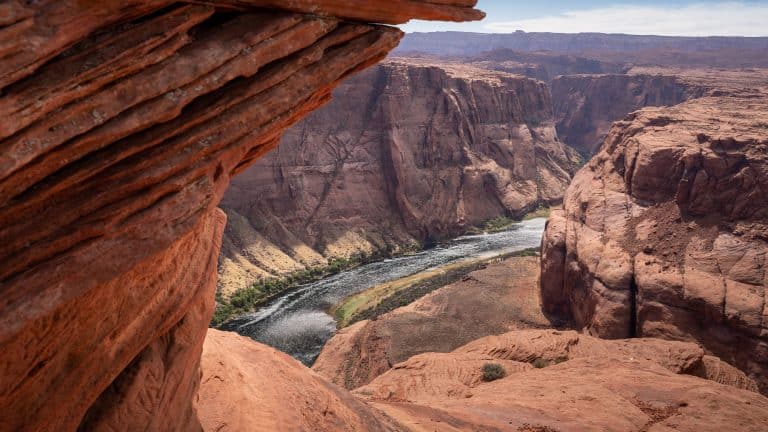
The Colorado River presents a challenge that extends across the entire West. It has been a hot and dry year across the basin, with snowpack in some areas falling well below normal and the system carrying less than it once did. The river supports cities, farms, and communities spread across seven states, all drawing from the same source. The current operating rules that govern its use are set to expire at the end of 2026, and the states have not yet reached agreement on what comes next. That responsibility is now shifting back to the federal government, which will play a central role in shaping the next framework. ACC has engaged directly in this conversation, meeting with administration officials to emphasize the importance of long-term investment and careful management. The direction here must be steady and deliberate. The river cannot be sustained through short-term fixes or fragmented decisions. It requires planning that reflects its scale, its limits, and the many people who depend on it.
This is the work as it stands today. It moves from local effort to national policy, from planting to planning, from restoration to responsibility carried at scale. ACC members and staff continue to take part in both. They write, advocate, organize, and engage where it matters. The landscapes in question are varied. Lakes, rivers, coastlines, fields. Each one carries its own demands. Each one requires attention suited to its scale. The work continues in all of these places, steady and ongoing, shaped by those willing to take responsibility for what they have inherited.

Ryan Anderson is the Stakeholder Communications Manager at the American Conservation Coalition.