
For a cleaner, more prosperous world, ACC mobilizes conservatives around environmental issues, fostering collaboration in the pursuit of environmental conservation.
Conservation rarely begins as an abstract idea. Rather, it begins when someone steps close enough to a system to see how it actually works; a hive opened on a warm afternoon reveals the quiet order that sustains pollinators, a walk through a maritime forest shows how wind, soil, and salt shape a coastline, a visit inside a power plant control room exposes the discipline required to keep reliable energy flowing day after day. These encounters change the way people understand stewardship because they replace distant concepts with actual, lived experience. Over the past month, members of the American Conservation Coalition found themselves in many of these moments across the country while different landscapes and different systems revealed the same pattern each time: grassroots conservation forms when curiosity meets responsibility.
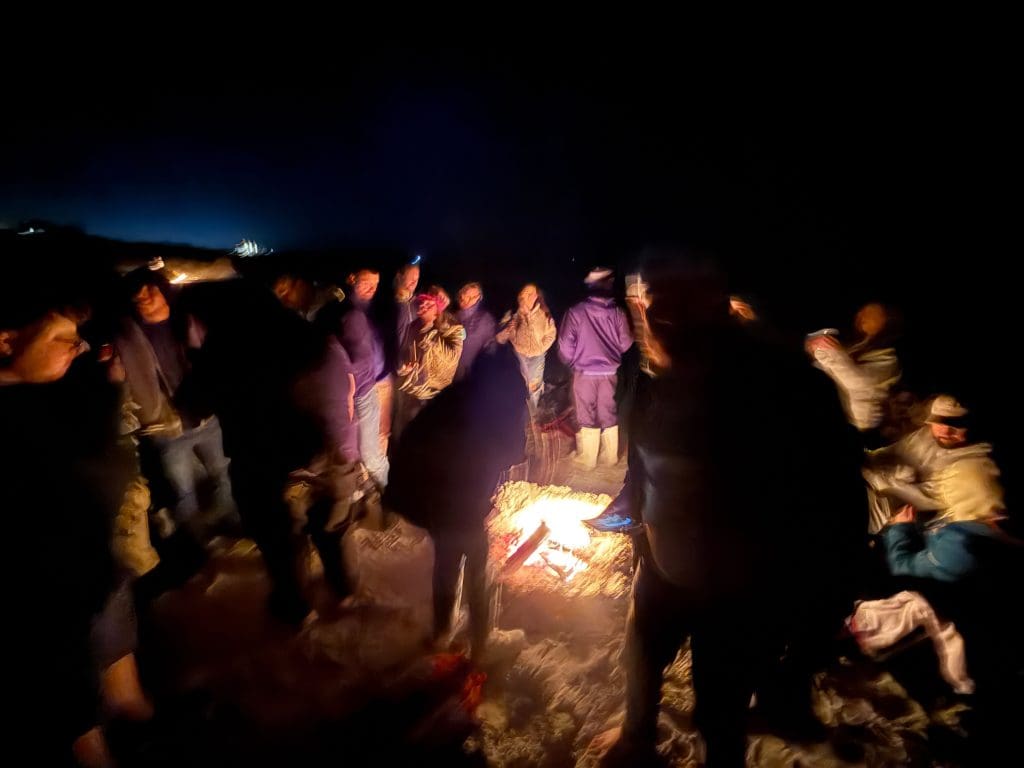
The first step often comes through direct contact with living systems. In Texas, students from the Sam Houston State University chapter traveled to a working apiary outside Navasota, where they stood beside open hives and watched modern beekeeping unfold frame by frame. A beekeeper explained how pollinators connect farms, forests, and food systems in ways that often go unnoticed. Questions came easily as the ACC members watched thousands of bees moving across comb with steady purpose. Along Florida’s Space Coast, members walked the trails of the Maritime Hammock Preserve beneath live oaks and palmettos before ending the afternoon with a beach volleyball social along the Atlantic. A few days later in New Smyrna, more than thirty ACC members gathered around a bonfire on the sand for the final beach gathering before sea turtle nesting season begins. The fire burned low while waves rolled in beyond the dark shoreline. Conversations moved naturally from the evening’s company to the coming nesting season and the responsibility that follows it.
Moments like these build familiarity with the landscapes people hope to protect.
Curiosity grows through presence.
Responsibility follows when a place becomes known.
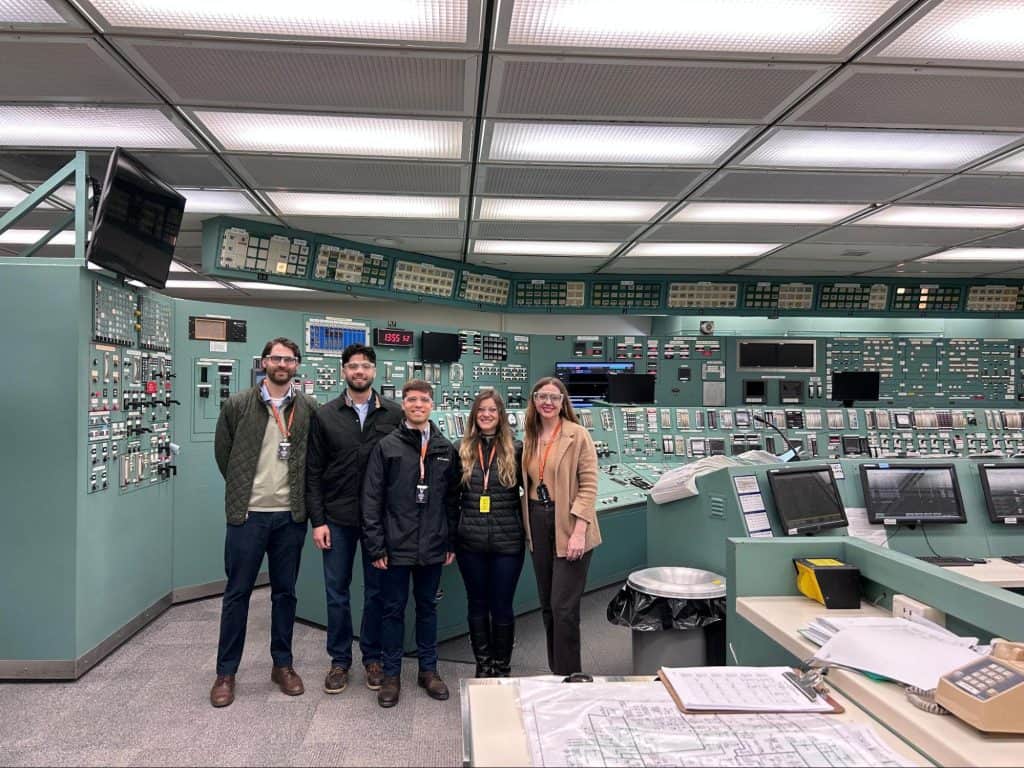
Grassroots conservation also grows when people encounter the infrastructure that sustains modern life. Environmental stewardship today includes forests, beaches, rivers, and wildlife, but it also includes the systems that power homes, hospitals, and entire regions. In Pennsylvania, members from the ACC DMV Hub traveled to Harrisburg for a visit to Three Mile Island, now the Crane Clean Energy Center. Engineers from Constellation Energy walked the group through the facility and into the control room for Unit 1, where rows of monitors and instruments reflect the constant vigilance required to operate a nuclear facility safely. Standing inside that room reframes the conversation about energy. Reliable electricity is the product of engineering discipline, training, and long-term institutional knowledge. Seeing the system firsthand encourages serious questions about how energy is produced and how it can continue to evolve. Curiosity about these systems deepens understanding of how conservation and energy reliability work together in the modern world.
The third piece of grassroots conservation is the community that forms around these shared experiences. Curiosity spreads through conversation, fellowship, and the simple act of gathering people together around common interests. At Eastern Florida State College, ACC launched a brand new chapter with a Valentine’s Day tabling event where a plush shark named Gertie the Great White helped draw curious students into conversations about ocean conservation. Laughter opened the door, and students who stopped to ask about the shark stayed to learn about coastal stewardship and environmental leadership opportunities. Across the country in the Bay Area, ACC members gathered for dinner after the West Coast March for Life, welcoming new participants into the coalition and continuing conversations about conservation long after the day’s march had ended. In Washington, ACC also hosted a reception at the Department of the Interior celebrating the Make America Beautiful Again executive order, bringing together leaders and advocates who share a commitment to American conservation. Events like these strengthen the human network that sustains grassroots movements. Responsibility grows stronger when it is shared within a community.

Taken together, these experiences illustrate how conservation movements grow over time. People encounter real landscapes, real ecosystems, and real infrastructure. They ask questions. They see how systems operate and how fragile or resilient those systems can be. Curiosity draws them closer to the work of stewardship. Responsibility emerges as understanding deepens. None of these moments require spectacle. A walk through a preserve, a conversation beside a beehive, a gathering on a beach, a visit inside a power plant, or a conversation across a dinner table can all spark the same realization that stewardship requires participation.
Grassroots conservation forms when curiosity meets responsibility. Across the country this past month, ACC members exhibited that pattern again and again as they stepped into the systems that sustain the landscapes and communities they care about.

Ryan Anderson is the Stakeholder Communications Manager at the American Conservation Coalition.