For a cleaner, more prosperous world, ACC mobilizes conservatives around environmental issues, fostering collaboration in the pursuit of environmental conservation.
As winter closes in and the daylight shortens, many young Americans wrestle with a familiar heaviness. They hear warnings about climate collapse, shrinking opportunities, and a future that may never quite take shape. Those messages crowd out hope before people even begin their efforts. The work happening across the American Conservation Coalition offers a different story however, one built through service, innovation, and steady effort.
Where Restoration Takes Shape
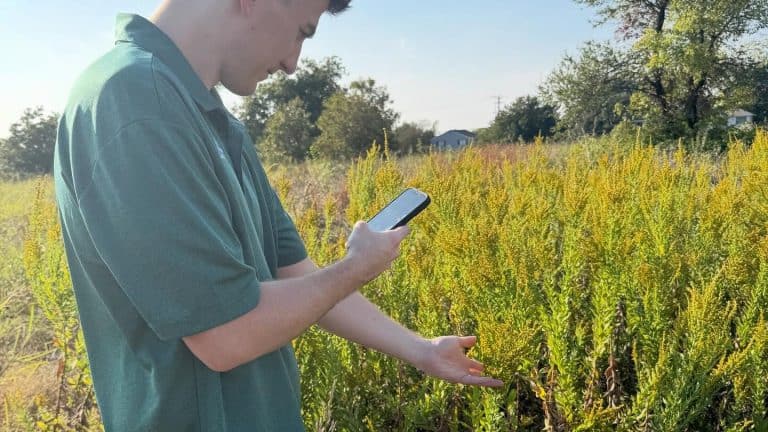
In Dallas and Fort Worth, ACC members have turned their attention to the Blackland Prairie. Their time there feels simple, direct, grounded. They gather seeds, pull invasive grasses, and record what grows in the threatened prairie that remains. Each visit brings a clearer understanding of the place. They notice changes that would be invisible to anyone who comes only once. Familiarity grows. That familiarity gives them a sense of direction, especially for those who have been told that the future is slipping out of reach.
During the Prairie Picnic, members spent the afternoon walking through tall grass with notebooks and field guides. The conversations were energized. People talked about what they were finding, who had taught them about certain species, and why the work felt grounding. By the end of the day, many said the same thing in their own way: caring for something close to home made the broader environmental conversation feel less abstract.

An ACC member documents flora in the prairie
Momentum Scales Up
While the Texas team was learning their landscape, other ACC members were taking part in Nuclear Regulatory Commission hearings. Their focus was the potential restart of a reactor in Pennsylvania. The atmosphere in those rooms was different from a service day, but the sense of responsibility felt similar.
Karly Matthews shared her experience from Pennsylvania, a state that has depended on nuclear power for decades. She spoke about what the technology has provided for local communities. Sarah Rosa emphasized the growing agreement in national politics around expanding nuclear capacity. Nathaniel Mayer urged regulators to think about the long-term needs of his generation. Madison Kelleher explained how modern permitting can expand opportunities for workers and strengthen local economies.
Their comments pointed toward the larger reality that young Americans are ready to take part in the country’s energy decisions. They want those decisions to reflect optimism rather than fear. That optimism for this new American atomic age gained new momentum when Valar Atomics became the first startup to split the atom this past week. The milestone signaled that scientific ambition is alive. It showed that breakthroughs can appear in places that were once considered reserved for governments.
Purpose in a Time That Feels Unsteady
Stephen Perkins recently described the impact of this sense of climate doomerism on young people. Many feel as though the world is moving toward decline no matter what they do. That belief has shaped how students think about careers, families, and community. It has drained enthusiasm from people who want to contribute but fear their contributions will disappear into a failing system.
ACC members counter that belief through the work that is steady and visible. Trail crews in Colorado, mangrove projects in Florida, and conservation efforts across the country create a rhythm of progress. Policy teams in Washington and state capitals do the same. Each action offers a reminder that people still have influence over the world they inhabit.
Signs of Renewal
The stories from this season show a movement that is bright with confidence. Restoration projects help people see improvement in real time. Testimony at federal hearings gives young leaders a voice in national decisions. Scientific achievements reveal that innovation continues to move forward. Together, these moments form a picture of a country that has more potential than the old prevailing narratives of degrowth and doom suggest.
Young Americans are discovering that participation brings clarity. They are joining conversations that shape the future rather than standing on the sidelines. They are learning that the work in front of them, whether in a prairie or a hearing room, carries weight.
Looking Ahead
As the year turns, ACC’s work offers a steady message: the future still holds room for restoration, innovation, and leadership. The Blackland Prairie in North Texas is beginning to respond to careful attention. The national conversation around nuclear energy is gaining structure and direction. A young company has demonstrated that historic scientific progress is still within reach.
None of these developments arose from despair. They took shape because people acted. They organized. They showed up for their communities, both local and national.
The coming year will bring its own demands, but the path forward is already visible. Progress in conservation grows when people choose to care for the places they know, when they take part in the decisions that guide the country, and when they believe that tomorrow has space for the work they are willing to do.

Ryan Anderson is the Stakeholder Communications Manager at the American Conservation Coalition.