For a cleaner, more prosperous world, ACC mobilizes conservatives around environmental issues, fostering collaboration in the pursuit of environmental conservation.
As the winter months close in, the days get shorter and the shadows grow longer. Amid that early darkness however, America has the opportunity to reignite a steady, lasting light: nuclear power.
Nuclear energy is the largest source of clean power in the United States, supplying roughly 20% of our electricity and forming the backbone of our carbon-free energy supply. Despite this, the promise of nuclear has been dimmed by decades of red tape, outdated fears, and political hesitancy. What do we have to show for all this stagnation? America has built just two new reactors in the past thirty years while other nations, like China, plan to build 150 by mid-century.
That imbalance is a warning and it’s a grim one.
If America wants to compete, innovate, and keep the lights on in the next century, we must once again embrace the energy source that powered our technological rise and can power our low-carbon future.
A Return to Leadership
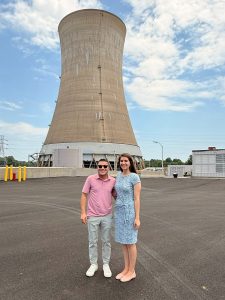
Recent federal momentum is beginning to change the story. The United States could gain 7% more nuclear power through restarts and upgrades, a near-term boost that is faster and cheaper than building new reactors from scratch. These projects restore clean power to the grid, strengthen communities, and deliver economic stability to regions built around energy production.
ACC’s work has always been clear: advancing environmental stewardship alongside economic growth. In October, this came to life at a Nuclear Regulatory Commission (NRC) meeting, where ACC staff and grassroots members joined to voice their support for restarting a reactor at Pennsylvania’s Crane Clean Energy Center.
Ultimately, progress cannot wait.
Voices from the Movement
Karly Matthews, ACC’s Vice President of Communications, spoke as both a policy leader and proud Pennsylvanian. She thanked the NRC for its leadership and reminded those in the room that nuclear power is already delivering real results in her home state by providing 42% of Pennsylvania’s electricity and 93% of its carbon-free power.She addressed common concerns about nuclear energy with facts: spent fuel is safely stored, reactors operate under the most rigorous safety standards in the world, and water use remains responsibly managed. Karly made the case that Nuclear energy is reliable, safe, and a powerful engine for local economies.
She addressed common concerns about nuclear energy with facts: spent fuel is safely stored, reactors operate under the most rigorous safety standards in the world, and water use remains responsibly managed. Karly made the case that Nuclear energy is reliable, safe, and a powerful engine for local economies.
Sarah Rosa, ACC’s Policy Director, connected nuclear’s promise to national priorities. “While building new nuclear power plants will be needed to meet the energy challenges of this century, restarting existing plants, where it is safe and feasible to do so, is a critical near-term step toward securing America’s energy and environmental future.”
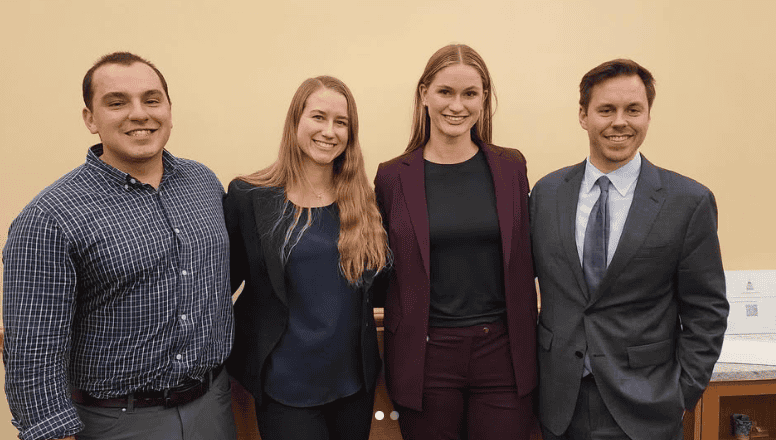
She pointed to the rare, bipartisan agreement now driving the national conversation. From the Biden Administration’s plan to triple capacity to the Trump Administration’s goal to quadruple it, Sarah’s point was clear: clean energy leadership isn’t partisan, it’s patriotic.
A Generation Ready to Build
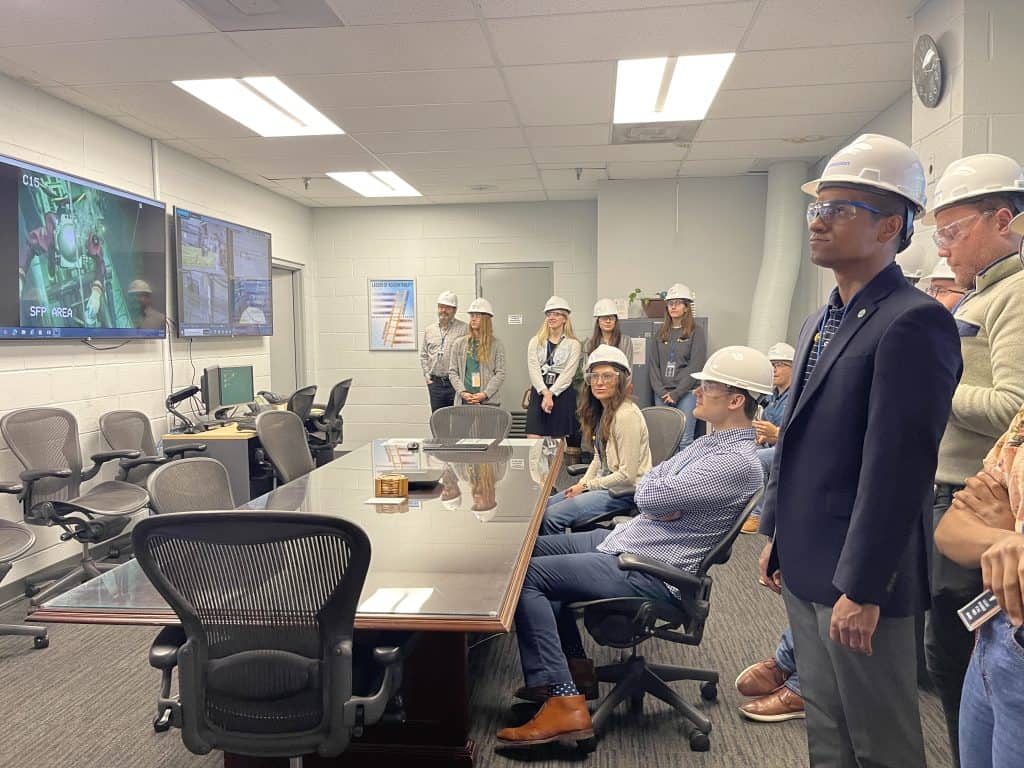
ACC’s younger leaders are carrying that message forward. Nathaniel Mayer, a Florida branch leader, spoke as an advocate but his voice felt reflective of the generation; a generation that values innovation and responsibility in equal measure. “I don’t want my generation to be remembered as the TikTok generation,” he said. “I want us to be remembered as the generation of clean, safe, and reliable energy.”
Nuclear, he argued, is not the threat it was once made out to be. Indeed, it’s the safest and most efficient large-scale energy source on earth, responsible for 99.8% fewer deaths per terawatt-hour than fossil fuels. For Mayer and many of ACC’s young members, restarting reactors like Crane is profound; it’s about reclaiming the legacy of American innovation.
Building What’s Next
Madison Kelleher, ACC’s Indianapolis Branch President, reminded the NRC that progress depends on both technology and policy. She highlighted the ADVANCE Act, signed in 2024, which modernized the nuclear permitting process: a vital reform when fossil fuel projects take about 18 months to permit while nuclear can take up to eight years.
She explained the Crane Clean Energy Center “can serve as a catalyst for workforce development and innovation, giving Hoosiers and Americans across the country the chance to train and build long-term careers in clean energy.”
Her message reflected a central ACC belief: clean energy empowers communities to lead.
The Sun is Setting on Stagnation
Nuclear energy is a national necessity. The Crane Clean Energy Center alone would restore 835 megawatts of emissions-free power to the grid while supporting local jobs, enhancing energy security, and reinforcing America’s position as a global clean energy leader.
It’s clear what we need to do. America’s next era of clean energy leadership depends on our ability to restart what works, build what’s next, and shed the outdated fears that have kept us from leading.
The sun is setting on nuclear stagnation. The dawn belongs to those willing to build.

Ryan Anderson is the Stakeholder Communications Manager at the American Conservation Coalition.