
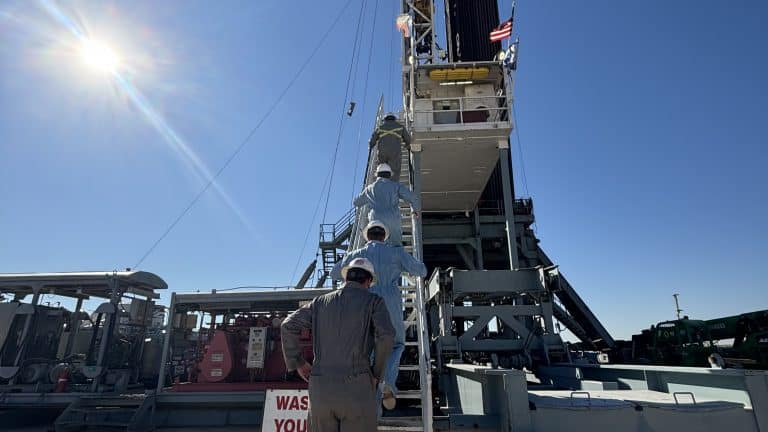
For a cleaner, more prosperous world, ACC mobilizes conservatives around environmental issues, fostering collaboration in the pursuit of environmental conservation.
Introduction
My name is Sarah Rosa, and I serve as the Policy Director for the American Conservation Coalition (ACC), the largest conservative environmental organization in the country, with over 60,000 grassroots members nationwide. As an organization committed to advocating for environmental solutions that ensure affordable, reliable, and clean energy, we are dedicated to ensuring that the Department of Energy (DOE) makes well-informed decisions regarding America’s energy and environmental future.
Our comment on the DOE’s 2024 LNG Export Study: Energy, Economic, and Environmental Assessment of U.S. LNG Exports (2024 LNG Export Study) shares the emissions success story of natural gas in the United States (U.S.) and highlights findings from this study and previous studies that indicate the emissions benefit of U.S. LNG. Based on these factors, we will argue that U.S. LNG exports bring an environmental benefit and that the DOE should continue to approve permits for the foreseeable future to help address global emissions while ensuring secure access to energy for our allies.
Natural Gas Emissions Success Story in the United States
Natural gas has played a central role in making the United States a global leader in emissions reductions over the past 20 years1. Our leadership can be traced back to the historic shift from coal to natural gas, largely driven by the Shale Revolution, which increased domestic natural gas production and made it an economically viable alternative to coal. Consequently, natural gas began replacing coal in power generation, accounting for 65% of the emissions reductions achieved in the U.S. between 2005 and 2019.2 Because of coal-to-gas switching, the U.S. has outpaced all other developed countries combined in emissions reductions, contributing to 67% of the total emissions reductions among developed countries since 2005.3
While the U.S. has made significant strides, other countries are increasing their reliance on coal. In 2023, emissions from coal were responsible for 65% of the increase in global emissions, much of it driven by the growing use of coal in other parts of the world.4 This rise in global coal consumption undermines the progress made by the U.S. and other nations working to transition to cleaner energy sources.
Of course, natural gas does produce emissions, but as we continue to develop and deploy cleaner energy sources, natural gas will remain crucial in reducing emissions while ensuring access to affordable, reliable energy. With the advancement of carbon capture, utilization, and storage technologies, natural gas could potentially be a lower-emissions energy source. Additionally, methane emissions associated with natural gas production in the U.S. are continuing to decline. In fact, between 2020 and 2022, methane emissions intensity in the oil and gas sector dropped by 31%.5 As ACC President Chris Barnard pointed out in the Wall Street Journal in response to the Biden administration’s pause, for the U.S. to maintain its leadership in emissions reductions and support global energy security, it is essential that the DOE follows the science and continues exporting U.S. LNG.6 Doing so will help displace higher-emission, dirtier energy sources, contributing to global efforts to reduce greenhouse gas emissions, as demonstrated by previous DOE studies, including the most recent 2024 LNG Export Study.
The Emissions Benefits of LNG: Findings from the DOE
The DOE has published two previous lifecycle emissions analyses to inform its decisions on LNG export permits—one in 20147 and another in 20198. In both cases, the DOE concluded that U.S. LNG provides an emissions benefit by replacing more emissions-intensive energy sources, such as coal, used abroad. In 2014, the DOE specifically found that natural gas exported to Europe and Asia had lower lifecycle greenhouse gas emissions compared to regional coal use. Similarly, in 2019, the DOE concluded that natural gas, including U.S. LNG, was less carbon-intensive than regional coal. Additionally, the DOE’s 2019 findings showed that American LNG was up to 40% cleaner than Russian natural gas delivered via pipeline. Furthermore, countries like China and Russia have environmental standards that are far weaker than those of the U.S., potentially exacerbating the emissions difference.
The DOE’s previous LNG studies highlight the critical role natural gas can play in replacing emissions-intensive energy sources while ensuring global energy access and security. The 2024 study reaffirms this. In fact, the study found that, on average, U.S. LNG is displacing dirtier energy sources. While emissions overall are rising as U.S. LNG exports increase, this rise is primarily driven by greater access to and demand for global energy services. Table 35 of Appendix C shows that emissions associated with U.S. LNG production and shipment are lower than the emissions avoided by the energy sources they replace, proving that U.S. LNG is more often replacing higher-emitting sources than not. As energy demand rises both in America and around the world, it is critical that we deploy every available tool to meet these growing needs while continuing our efforts to mitigate climate change. Right now, as the 2024 LNG Export Study finds, natural gas is a critical component of our ability to do just that.
Moreover, access to affordable, reliable energy is essential for a quality life in today’s modern society. Every individual deserves secure, dependable power, and U.S. LNG plays a vital role in delivering this critical service to our allies around the world. A powerful example of the importance of U.S. LNG exports in ensuring energy security occurred in 2022 when Russia cut gas supplies to Europe. In response, the US stepped in, providing 50% of Europe’s liquefied natural gas supplies9. As we continue to innovate and develop new, cleaner energy technologies, we should aim to replicate this model—exporting energy solutions that address emissions and bolster energy security. Given our nation’s higher environmental standards and reliability as a partner, it makes sense for the U.S. to be the one exporting energy to our allies, not our adversaries.
Conclusion
As Secretary Wright has said, “There’s no free lunch. It’s just like everything else in life. It’s about trade-offs. If something’s positives are much bigger than its negatives, that’s great. We’re for that. Let’s grow that one. And every energy source, if we can grow its positives—meaning increase its abundance, shrink the impacts it might have on the world, and lower the cost to create more of it—that’s positive.”10
Tackling the complex challenge of climate change will require U.S. LNG to reduce emissions while ensuring affordable and reliable energy for our allies around the world. At the same time, we must continue investing in the research, development, and deployment of innovative clean energy technologies, with the goal of ensuring American leadership on the global stage and exporting these solutions.
As the voice of 60,000 young people who are committed to protecting our environment while also ensuring a strong economy, we appreciate the DOE’s thoughtful decisions regarding the future of U.S. LNG. We look forward to the DOE’s continued efforts to advance energy policies that strike a balance between our economic and environmental needs. Thank you for the opportunity to comment.
- McGrath, G. (2021, June 9). Electric power sector CO2 emissions drop as generation mix shifts from coal to natural gas – Today in Energy – U.S. Energy Information Administration (EIA). Www.eia.gov. https://www.eia.gov/todayinenergy/detail.php?id=48296 ↩︎
- Ibid ↩︎
- Low-Energy Fridays: The UN’s Climate Ambition Summit Misses the Mark – R Street Institute. (2024, January 11). R Street Institute. https://www.rstreet.org/commentary/low-energy-fridays-the-uns-climate-ambition-summit-misses-the-mark/ ↩︎
- IEA. (2024). Executive Summary – CO2 Emissions in 2023 – Analysis. IEA. https://www.iea.org/reports/co2-emissions-in-2023/executive-summary ↩︎
- New report finds gap between leaders and laggards on methane emissions widens, underscores importance of new regulations. (2024, June 3). Clean Air Task Force. https://www.catf.us/2024/06/new-report-finds-gap-between-leaders-laggards-methane-emissions-widens-underscores-importance-new-regulations/ ↩︎
- Barnard, C. (2024, January 26). Biden’s LNG “Pause” Will Hurt the Environment. Wall Street Journal. https://www.wsj.com/articles/bidens-lng-export-permit-pause-will-hurt-the-environment-and-carry-geopolitical-risk-76dbcc99 ↩︎
- Life Cycle Greenhouse Gas Perspective on Exporting Liquefied Natural Gas from the United States. (2025). Energy.gov. https://www.energy.gov/fecm/life-cycle-greenhouse-gas-perspective-exporting-liquefied-natural-gas-united-states ↩︎
- Roman-White, S., Rai, S., Littlefield, J., Cooney, G., & Skone, T. (2019). LIFE CYCLE GREENHOUSE GAS PERSPECTIVE ON EXPORTING LIQUEFIED NATURAL GAS FROM THE UNITED STATES: 2019 UPDATE. https://www.energy.gov/sites/prod/files/2019/09/f66/2019%20NETL%20LCA-GHG%20Report.pdf ↩︎
- Durbin, M. (2024, January 25). Now Is the Wrong Time to Cut Natural Gas Exports. Uschamber.com. https://www.uschamber.com/energy/now-is-not-the-time-to-cut-lng ↩︎
- Secretary Chris Wright Delivers Welcome Remarks to DOE Staff. (2025). Energy.gov. https://www.energy.gov/articles/secretary-chris-wright-delivers-welcome-remarks-doe-staff ↩︎